Complete Wildlife Management: Protecting Your Property the Natural Way
Complete pest wildlife management offers a well-rounded approach to addressing common intruders on residential properties. By employing eco-friendly and compassionate techniques, residents can successfully deter animals while maintaining local ecosystems. Gaining insight into the tendencies of such animals is crucial for implementing practical measures. As homeowners seek solutions, questions emerge about the best available methods and the necessity for coexistence. Which actionable measures can be taken to secure safety without harming wildlife?
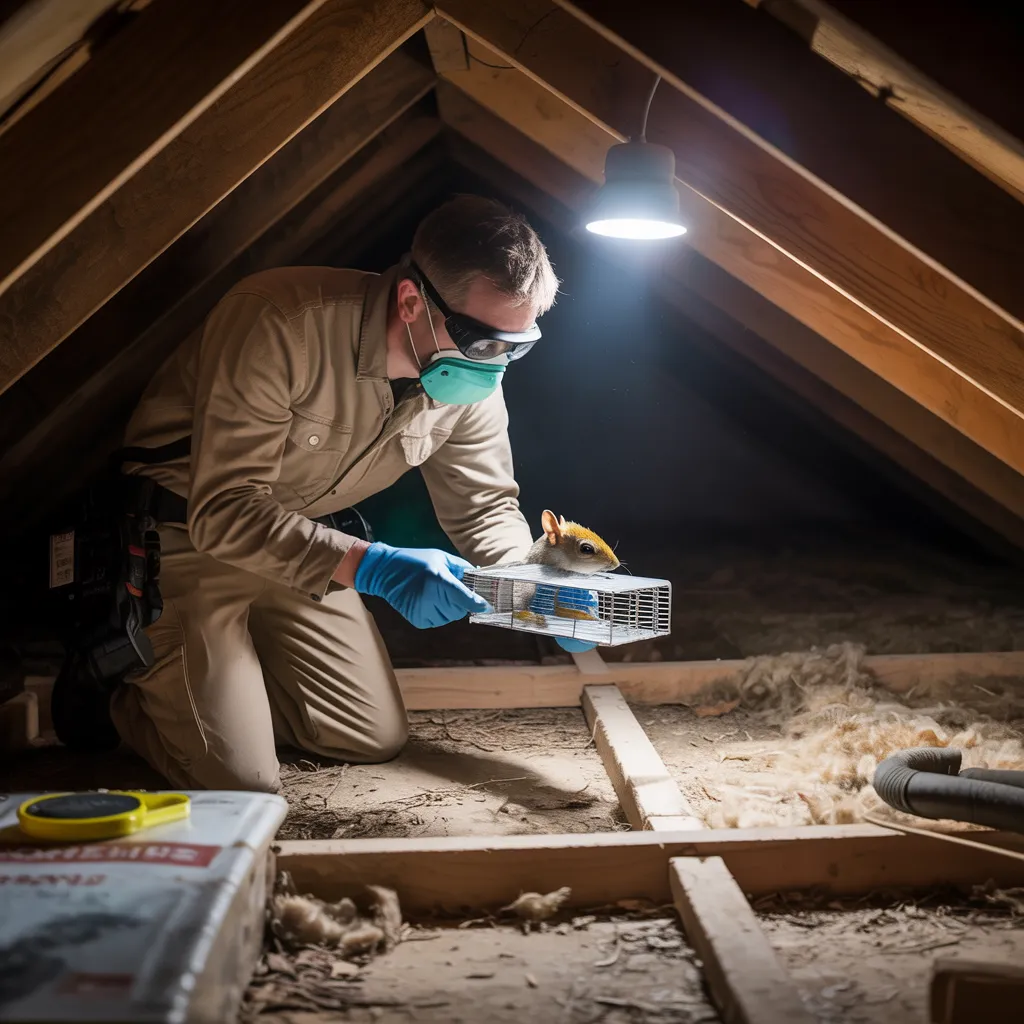
Typical Wildlife Invaders and Their Habits
When residents deal with wildlife invaders, recognizing their habits is essential for successful management. Common wildlife intruders include raccoons, squirrels, skunks, and deer, each exhibiting distinct behaviors that can explore this topic impact residential areas. Raccoons are nocturnal and often forage for food in garbage cans, showcasing a nimbleness that permits them to pry open receptacles. Squirrels, known for their agility, can easily access attics and roofs, motivated by the search for nesting sites or food. Skunks, though typically non-aggressive, can pose a problem when excavating lawns in search of insects or grubs. Deer, drawn to gardens and landscaping, may cause significant damage as they feed on foliage. By recognizing these behaviors, homeowners can better anticipate intrusions and prepare for potential wildlife encounters, establishing a foundation for successful control approaches. Understanding the specific habits of these animals is fundamental for maintaining a harmonious coexistence.
Essential Techniques for Effective Wildlife Control
Proper wildlife control necessitates a comprehensive approach that includes habitat modification strategies, organic deterrents and repellents, and humane trapping techniques. These strategies work to minimize human-wildlife conflicts while fostering a sustainable ecosystem. Learning and applying these methods can lead to sustainable solutions for managing wildlife intrusions.
Environmental Modification Methods
Multiple environmental modification techniques can considerably limit wildlife-related issues in urban and suburban environments. By adjusting the surrounding habitat, homeowners can render their properties less attractive to nuisance wildlife. This entails eliminating food attractants by properly securing trash, installing bird feeders specifically designed to deter larger animals, and promptly cleaning up fallen fruit and pet food. Furthermore, decreasing available shelter is necessary; trimming dense vegetation and sealing entry points to buildings can discourage nesting. Proper management of water sources requires eliminating standing water, which draws in numerous wildlife species. Adopting these approaches not only protects properties but also encourages a healthy ecosystem, permitting wildlife to prosper in their natural surroundings while decreasing human-wildlife encounters.
Natural Deterrents and Repellents
Natural deterrents and repellents play an essential role in managing wildlife interactions in urban settings. These methods utilize natural ingredients to create barriers that discourage animals from entering properties. Frequent examples encompass predator urine, citrus aromas, or vinegar, all of which can discourage animals like raccoons, deer, and rodents. Additionally, planting specific herbs, like mint or lavender, can repel pests while enhancing the landscape. Sound- and light-emitting motion-activated devices can prove equally effective, offering a humane approach to deterring wildlife. How well these approaches perform typically copyrights on the targeted species and the conditions of the area where they are implemented. Adopting these natural solutions encourages a peaceful balance between people and wildlife.
Safe Trapping Methods
Humane trapping techniques are critical for responsible wildlife management, safeguarding the well-being of both humans and wildlife. Successful approaches prioritize humane traps that reduce stress and harm to captured wildlife. Non-lethal live traps, crafted to capture without causing harm, permit safe animal relocation, while snap traps provide a fast and humane solution for dispatching smaller nuisance animals. Strategic bait selection ensures target species are attracted while minimizing risks to unintended animals. Traps should be checked regularly to prevent prolonged confinement. Moreover, situating traps in well-chosen spots, such as close to entry points or feeding grounds, maximizes their overall effectiveness. Finally, adherence to local regulations regarding trapping and relocation is vital, promoting ethical practices and ensuring compliance with wildlife protection laws. These methods contribute to a balanced approach to managing wildlife populations.
The Significance of Humane Practices in Wildlife Management
While wildlife management frequently requires challenging choices, focusing on humane techniques is vital for maintaining a well-balanced ecosystem. Compassionate methods not only reduce suffering but also encourage harmonious coexistence between people and wildlife. By employing non-lethal techniques, such as relocation and habitat modification, wildlife managers can reduce conflicts while ensuring animal welfare.
In addition, humane methods contribute to public endorsement and beneficial community engagement. When the public regards wildlife management as conscientious and caring, they demonstrate increased motivation to join conservation endeavors and endorse community-based initiatives. These strategies also help maintain biodiversity, as they allow wildlife populations to thrive without unnecessary disruption.
In the end, emphasizing humane methods in wildlife conservation develops a deeper appreciation of environmental interconnections. Such a strategy affirms the concept that people and animals can thrive alongside one another, fostering reverence for wildlife while successfully managing issues that may arise in common spaces.
Proven Methods for Wildlife Control
With regard to wildlife control, effective strategies encompass habitat modification techniques and the use of natural deterrents and repellents. Such approaches are designed to decrease instances of human-wildlife interaction while fostering environmental harmony. By implementing these approaches, communities can foster a more balanced relationship with the surrounding wildlife.
Habitat Alteration Methods
Modifying habitats acts as a forward-thinking approach to wildlife control, considerably lowering the likelihood of unwanted animal encounters. By altering the environment, property owners can minimize the attractions that draw wildlife. For instance, storing garbage in wildlife-resistant bins and eliminating stagnant water can repel unwanted animals. Additionally, cutting back excessive growth and closing gaps in structures helps eliminate potential shelter areas. Establishing physical boundaries, such as enclosures, can further restrict wildlife access to gardens or yards. Implementing these strategies not only secures property but also encourages a balanced ecosystem, permitting indigenous species to prosper while deterring nuisance animals. Overall, habitat alteration successfully promotes a more secure and balanced living environment for humans and animals together.
Natural Deterrents and Repellents
Habitat modification lays a foundation for effective wildlife control, but pairing these measures with natural deterrents and repellents can significantly boost defense against unwanted animals. A range of natural substances act as powerful barriers against typical pests. For instance, strong scents like peppermint oil, vinegar, and citrus can deter rodents and insects. Additionally, the use of predator urine, available commercially, can discourage smaller wildlife by signaling the presence of a natural threat. Cultivating particular herbs, including lavender or basil, may further aid in deterring unwanted animal visitors. Installing motion-triggered devices that produce sounds or lights can successfully scare animals off. By employing these natural techniques, property owners can develop a less attractive environment for wildlife, lowering the probability of intrusions while maintaining an eco-friendly stance.
Creating a Safe Environment for Wildlife and Your Home
Developing a protected space for both wildlife and homes demands a balanced approach that takes into account the needs of both. Property owners can adopt strategies that encourage harmonious living while ensuring property safety. This encompasses fastening garbage containers and compost areas to prevent uninvited animals, as well as planting local flora in outdoor spaces, which offer organic shelters for regional fauna.
Adequate fencing can define boundaries that shield gardens without causing harm to wildlife. Incorporating birdhouses and bat boxes enhances biodiversity while benefiting homeowners through natural pest control.
Furthermore, reducing chemical pesticide application supports a healthier ecological system, proving advantageous for human inhabitants and wildlife. Routine upkeep of structures, including patching gaps and mending screens, further discourages animal entry.
When You Should Seek Professional Assistance for Wildlife Control
When is it appropriate for homeowners to pursue expert help with wildlife control? Should a homeowner face wildlife that creates a health concern, such as raccoons or bats, it is vital to seek expert assistance. Furthermore, when wildlife starts establishing nests in attics, walls, or basements, professional intervention is advisable to prevent property damage. Evidence of continued wildlife activity, including unusual sounds or droppings, suggests the need for an expert's inspection.
Moreover, if the situation escalates to aggressive animal behavior or if proper removal methods are unclear to the homeowner, seeking professional assistance is crucial. Professional wildlife specialists have the expertise, equipment, and skills to manage different species safely and efficiently. Finally, areas with protected or endangered species may require specialized permits, making professional guidance invaluable in ensuring compliance with local regulations. In the end, identifying these situations enables homeowners to safeguard their property while preserving a secure living space.

Questions We Often Receive
How Can I Prevent Wildlife From Entering My Garden?
To stop wildlife from accessing the garden, one should set up robust fencing, use repellents, keep the area clean, properly secure garbage, and choose vegetation that deters wildlife. Consistent observation and modifications can boost the effectiveness of these protective methods.
What Are the Signs of a Wildlife Infestation?
Signs of a wildlife infestation consist of droppings, chewed plants, nests, tracks, and unusual noises, like scratching or rustling sounds. Additionally, damaged structures or burrows can indicate the presence of animals seeking shelter or food.
Can Natural Repellents Be Used for Certain Animals?
Yes, natural repellents exist for specific animals. As an illustration, peppermint oil keeps rodents away, while cayenne pepper works to repel deer. Such techniques make use of smells or tastes that animals find disagreeable, working to keep them at a distance.
Can Wildlife Control Methods Harm Pets?
Animal management techniques can potentially harm pets if not properly applied. Chemical agents, trapping devices, and deterrents could be harmful for domestic animals. Diligent pet guardians should verify that methods used are safe and non-toxic to their pets.
What Should I Do if I Discover a Baby Animal?
Should someone encounter a juvenile animal, they should keep an eye on it from a distance to determine whether the mother comes back. When the animal seems to have been deserted, getting in touch with a local wildlife rescue specialist is recommended to make certain the animal is handled appropriately.